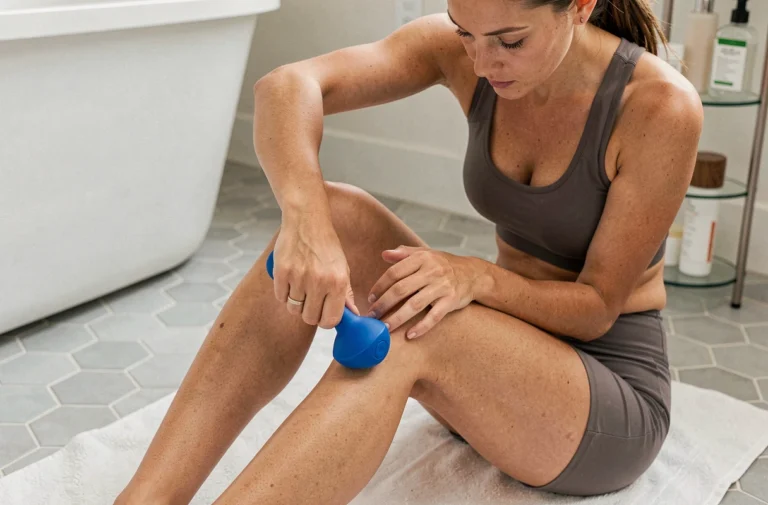
Modern women’s beauty routines are no longer limited to applying makeup in the morning and moisturizer at night. Over the past two years, expectations have shifted: consumers want ingredients with proven efficacy, formulas with clear ingredient lists, and products whose environmental impact can be measured. This triple demand is reshaping everyday routines, from scalp care to fragrance choices.
Skinification of the scalp and body: when facial skincare sets beauty trends
Have you noticed that shampoos now feature ingredient lists worthy of a facial serum? This phenomenon has a name: skinification. The idea is simple: apply the same approach used in facial skincare—targeted ingredients, clinical evidence, and prevention—to hair and body care.
In practice, this changes your routine. A scalp treatment with niacinamide or salicylic acid replaces generic anti-dandruff shampoo. A body lotion formulated with ceramides takes the place of basic moisturizer. The approach shifts from corrective to preventive, focusing on maintaining skin health over the long term rather than treating an existing problem.
This shift has a direct impact on shopping habits: consumers read labels as carefully as they do for facial skincare. They compare concentrations and check the studies cited by brands. On Le Blog de Lalie, this type of analysis is among the most-read content, showing that demand for reliable information about skincare extends well beyond beauty enthusiasts.
Functional fragrance: choosing a scent for its effect on your mood
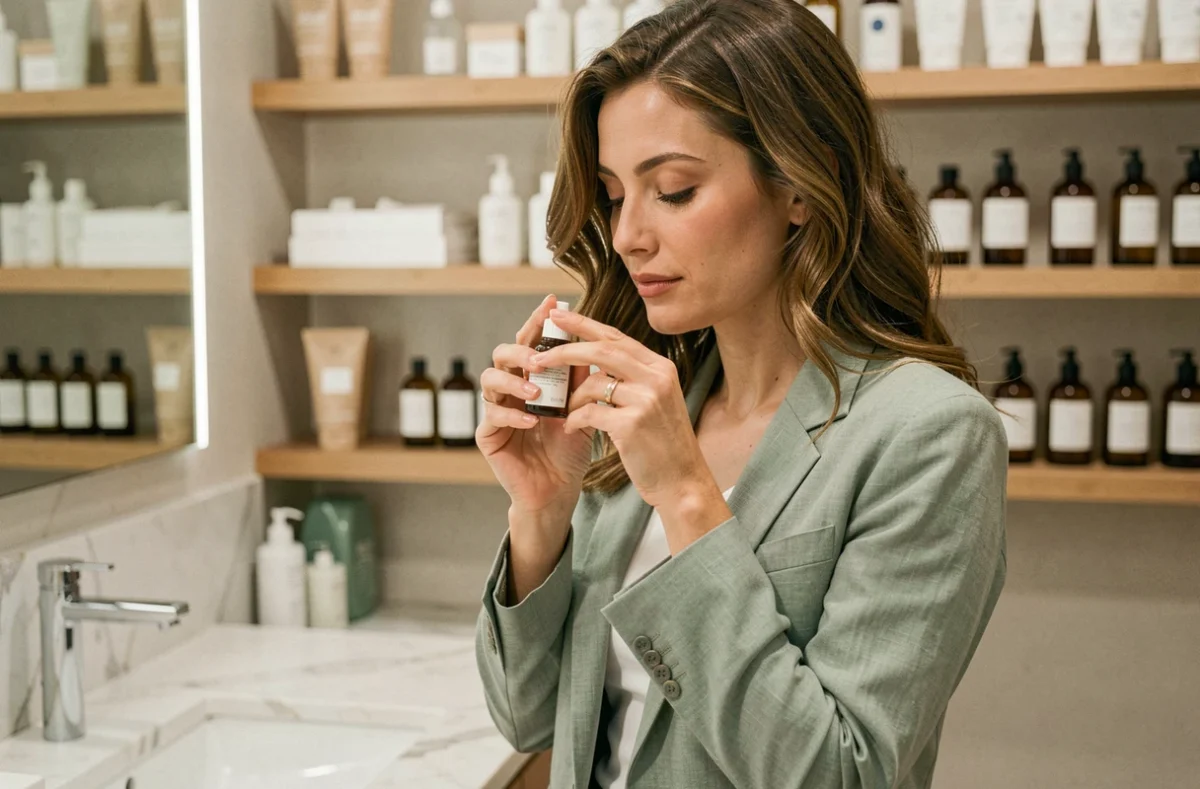
For a long time, perfume was an accessory reserved for nights out or special occasions. That perception is fading. Euromonitor’s Voice of the Consumer: Beauty Survey 2026 shows that shoppers are looking for fragrances associated with emotional effects, whether calming or energizing, and incorporating them into their daily routines.
The idea isn’t to replace medical care with eau de toilette. It’s more modest: pair a scent ritual with a time of day to reinforce an intention. Here are a few examples:
- A mist with lavender and sandalwood notes used in the evening alongside some time to unwind, marking the transition away from the workday.
- A citrus and ginger fragrance worn in the morning for its perceived energizing effect, replacing the automatic spritz of a “signature” scent.
- Concentrated roll-ons applied to the wrists before a meeting or commute, designed as a stress-management tool, much like mindful breathing.
Fragrance is becoming a lifestyle ritual, not just a fashion accessory. Brands that document the perceived effects of their blends—instead of making vague “wellness” claims—are earning credibility with this informed audience.
Microplastics regulations in cosmetics: what’s changing for skincare routines
Transparency requirements aren’t coming from consumers alone. European regulations set out a clear timeline. Regulation REACH 2023/2055 provides for restrictions on synthetic polymer microparticles in rinse-off cosmetics from October 17, 2027, and in leave-on products from October 17, 2029. Lip, nail, and makeup products follow a later timeline.
Why do these dates matter in everyday life? Because they will change the texture, wear, and sometimes the performance of products used every day. An exfoliating shower gel reformulated without plastic microbeads won’t feel exactly the same. Long-wear foundation will need alternatives to the film-forming polymers that currently make it last.
Brands that are getting ahead of these deadlines are already communicating about their reformulations. It’s a practical factor to consider: checking whether a product already complies with the 2027 restrictions can help you avoid stocking up on items that will disappear from store shelves.
Secondhand fashion and personal style: a sustainable habit
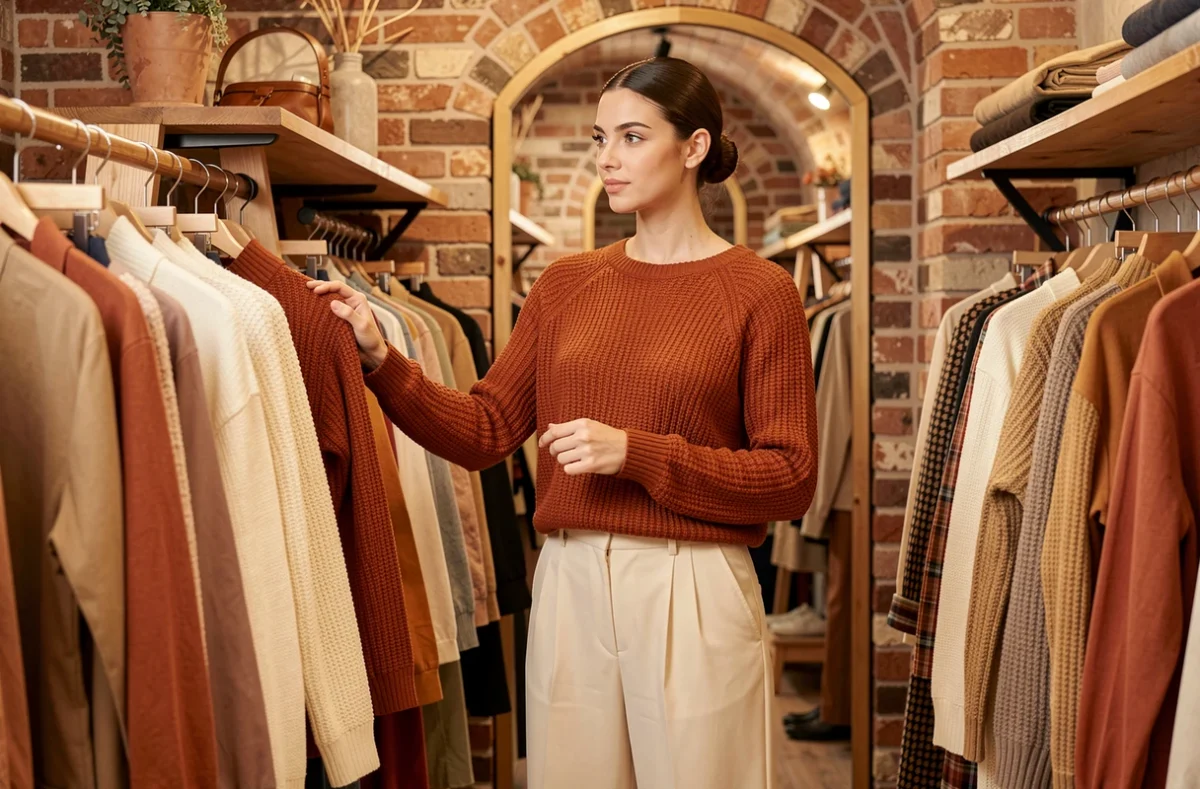
Secondhand shopping has become an established part of fashion buying, well beyond a niche reserved for online platforms. Brick-and-mortar thrift stores, consignment shops, and clothing swaps among individuals are all helping make it mainstream.
What’s changed is the motivation. Saving money still matters, but it now goes hand in hand with the search for unique pieces. Finding a wool blazer in a cut you can’t find in today’s ready-to-wear collections, or a vintage dress no one else will be wearing: secondhand shopping supports personal style as much as it does your budget.
This habit also influences how women build their wardrobes. Instead of buying a complete look dictated by a seasonal trend, more and more women are combining new pieces—well-cut basics—with secondhand finds, such as a structured jacket or statement accessory. The result is a style that isn’t tied to a single fashion cycle.
Pairing secondhand fashion with textile care
Pre-owned clothing sometimes needs special care. Washing a thrifted cashmere sweater at a low temperature with enzyme-free detergent, or treating an old stain on silk with a gentle stain remover: these steps extend the life of your clothes and are part of a consistent lifestyle routine. The care you give your skin carries over to the care you give your clothes.
The convergence of beauty, fashion, and everyday life isn’t about creating a unified aesthetic. It’s about having a method: reading ingredient lists, checking the evidence, and making informed choices. The trends that last are the ones that stand up to this scrutiny.