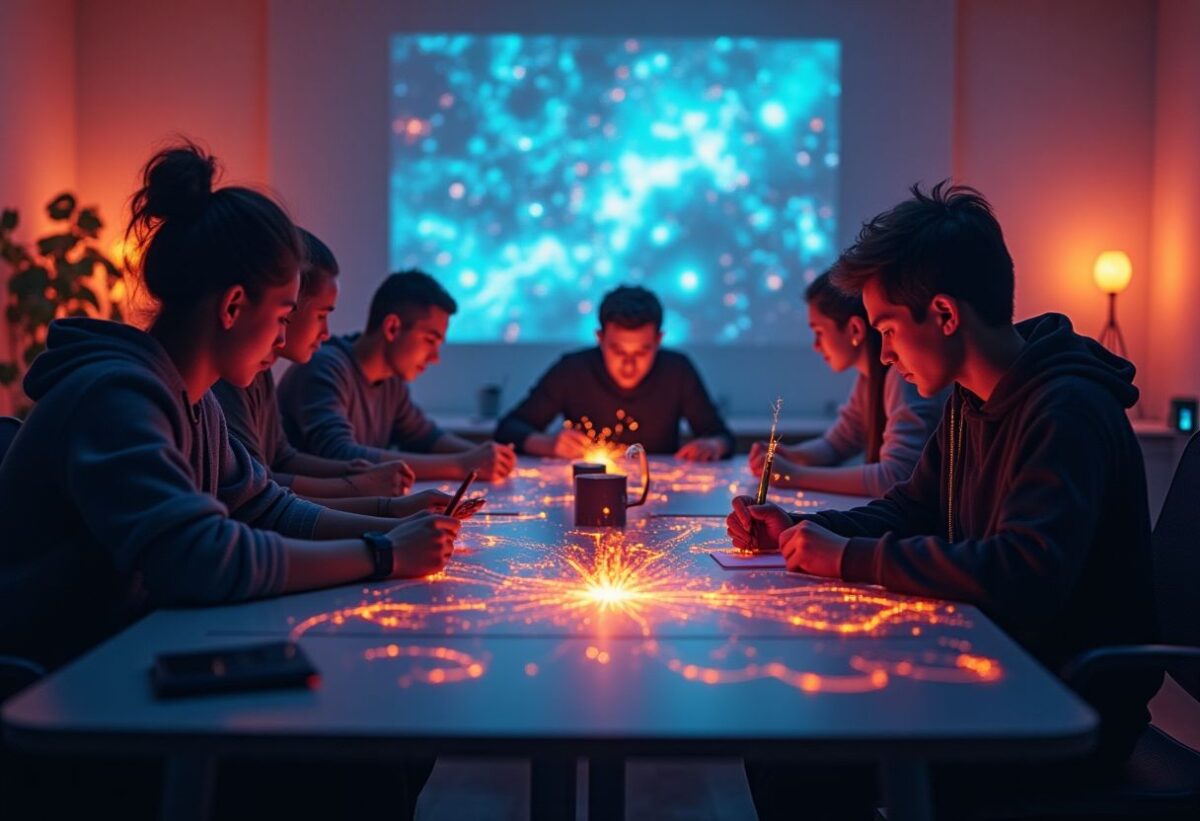
Motion design, a true fusion of artistic creativity and digital technology, is experiencing growing popularity in the professional world. It requires a variety of skills, ranging from mastery of artistic concepts to a deep understanding of cutting-edge software. To train the future experts in this field, a well-structured training program is essential, skillfully blending theory and practice. A judicious balance between these two aspects is crucial to ensure that learners acquire comprehensive and operational expertise.
The Structure of Theoretical Modules
The theory in motion design forms the foundation upon which the entire training rests. It allows students to understand fundamental principles and acquire a solid conceptual framework that will guide their creations.
- Basic Principles of Animation: students explore concepts such as timing, spacing, and rhythm, which are essential for creating fluid and engaging movements.
- History of Art and Design: a deep understanding of artistic movements and design trends helps enrich sources of inspiration and contextualize projects.
- Psychology of Perception: studying how viewers perceive and interpret visuals allows for the design of more impactful animations.
- Color Theory: students learn to use colors strategically to influence the mood and emotion of an animation.
These theoretical elements, although not exhaustive, form an indispensable foundation for every motion design learner, enabling them to approach practical modules with an informed perspective.
Practical Modules: Technique and Creativity
The practical modules are essential for implementing the knowledge acquired. They encourage experimentation and the development of indispensable technical skills. It is in the realm of practical exercises that students transition from theory to concrete application.
Motion Design Software: Learning tools like Adobe After Effects, Cinema 4D, or Blender is at the heart of the practical modules. Students engage in exercises and projects that allow them to gradually master these complex software programs. By working on increasingly ambitious projects, they gain proficiency that will be essential in their future careers.
Collaborative Projects: working in teams on common projects simulates real production conditions. This collaborative approach not only develops technical skills but also valuable interpersonal skills, such as communication and project management.
Integration of Theoretical and Practical Modules
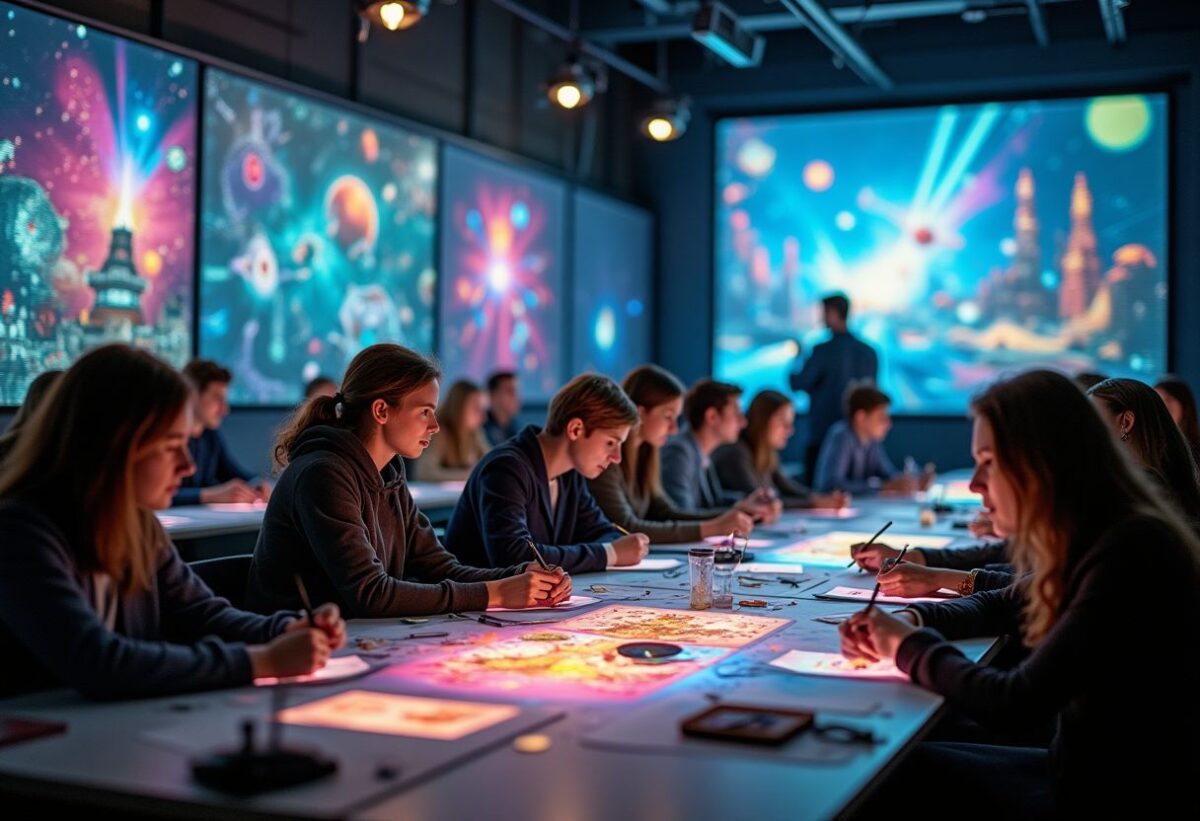
A comprehensive training program does not merely juxtapose theory and practice; it integrates these two dimensions harmoniously. Educational institutions play a key role in this integration, ensuring that learning remains coherent and relevant.
- Synthesis Projects: these projects allow students to combine theory and practice. By creating an animation from start to finish, they must mobilize all their knowledge to meet specific objectives.
- Case Studies: analyzing real projects concretely illustrates how theory guides practice. Students learn to dissect the artistic and technical choices made by industry professionals.
- Critical Feedback and Evaluation: feedback sessions are crucial for refining students’ skills. Constructive critiques from instructors and peers help identify successes and areas for improvement.
This kind of integration ensures a gradual skill enhancement, allowing students to adapt to the demands of the job market with confidence.
The organization of theoretical and practical modules in a motion design training is a balancing act aimed at producing well-rounded and versatile professionals. By harmonizing these two aspects, institutions provide a dynamic learning environment tailored to the creative professions of the future. The richness and diversity of experiences offered to students effectively prepare them for the challenges and opportunities that await them in the world of motion design.